
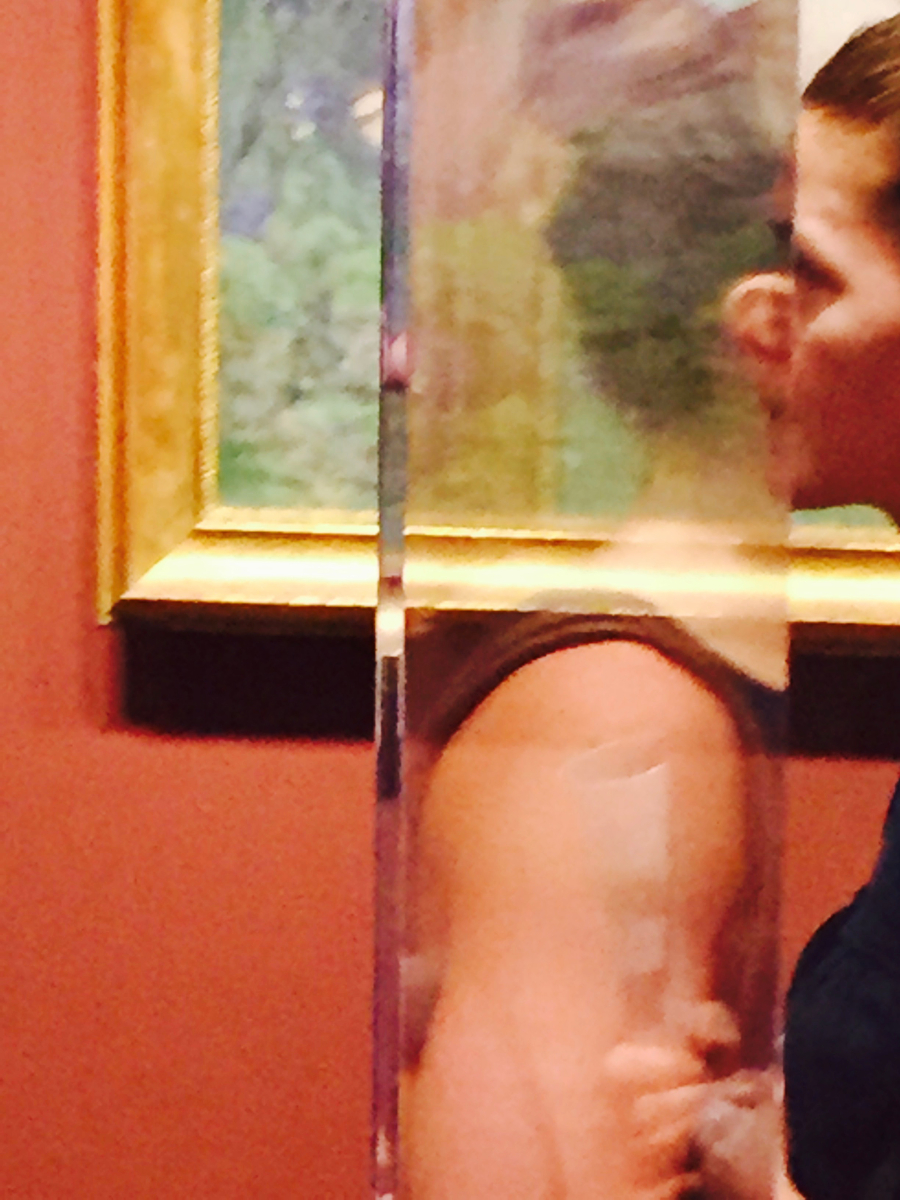
 Recently, I said to my iPhone , "I am sad."
"Its OK to cry if you want to," Siri replied, "My aluminosilicate glass surface is tear resistant."
In 1855, long before robots were imagined, Walt Whitman spoke to us through his Leaves of Grass, "I sing the body electric…" he wrote, "And if the body does not do fully as much as the soul?/And if the body were not the soul, what is the soul?"
One hundred sixty years later the questions still earthquake our hearts. Would we prefer a reliable "electric body" over a passionate but vulnerable "Body Electric?" When will we become more robot than human? If the robot crushes humanity "what is the soul?"
Science fiction is now science possibility. Thoughtful people probe the core of compassion. Is love truly unique to humans?
Caregivers labor to cure disease & relieve pain. They have a third role: to offer healing. Do we wish we had an "aluminosilicate glass surface to  catch our tears?" Who among us would not sell their souls for a body free of disease, injury & pain?
 catch our tears?" Who among us would not sell their souls for a body free of disease, injury & pain?
 Can love's healing be replicated? Love is grounded in intent & only we can form such a complex emotion, right? I asked my son-in-law, a computer engineer with a genius IQ, about this. His answer stunned me. "Maybe," he said.
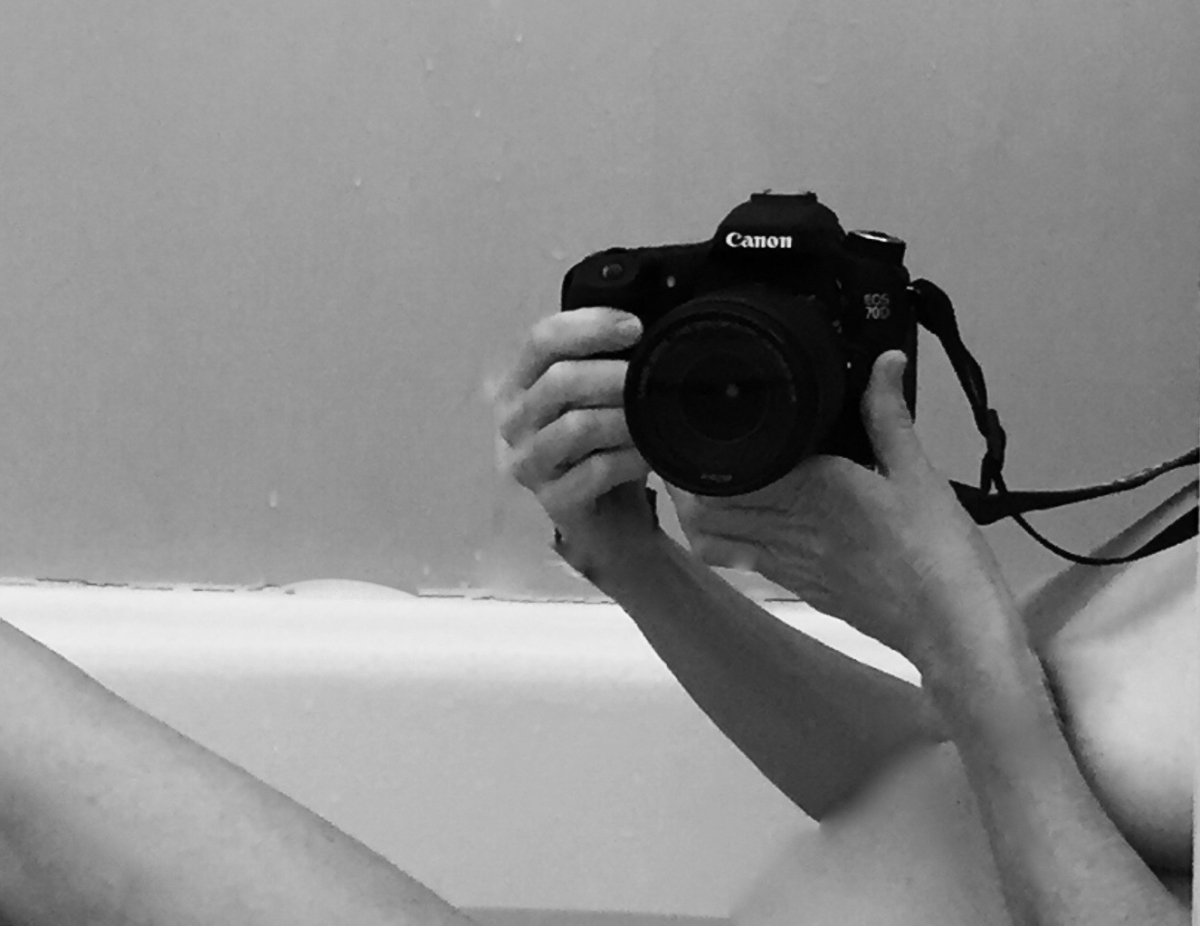
The camera aiming at us in the picture is a computer. Are the body & soul of the photographer replaceable? Can a robot paint a masterpiece or write an immortal poem?
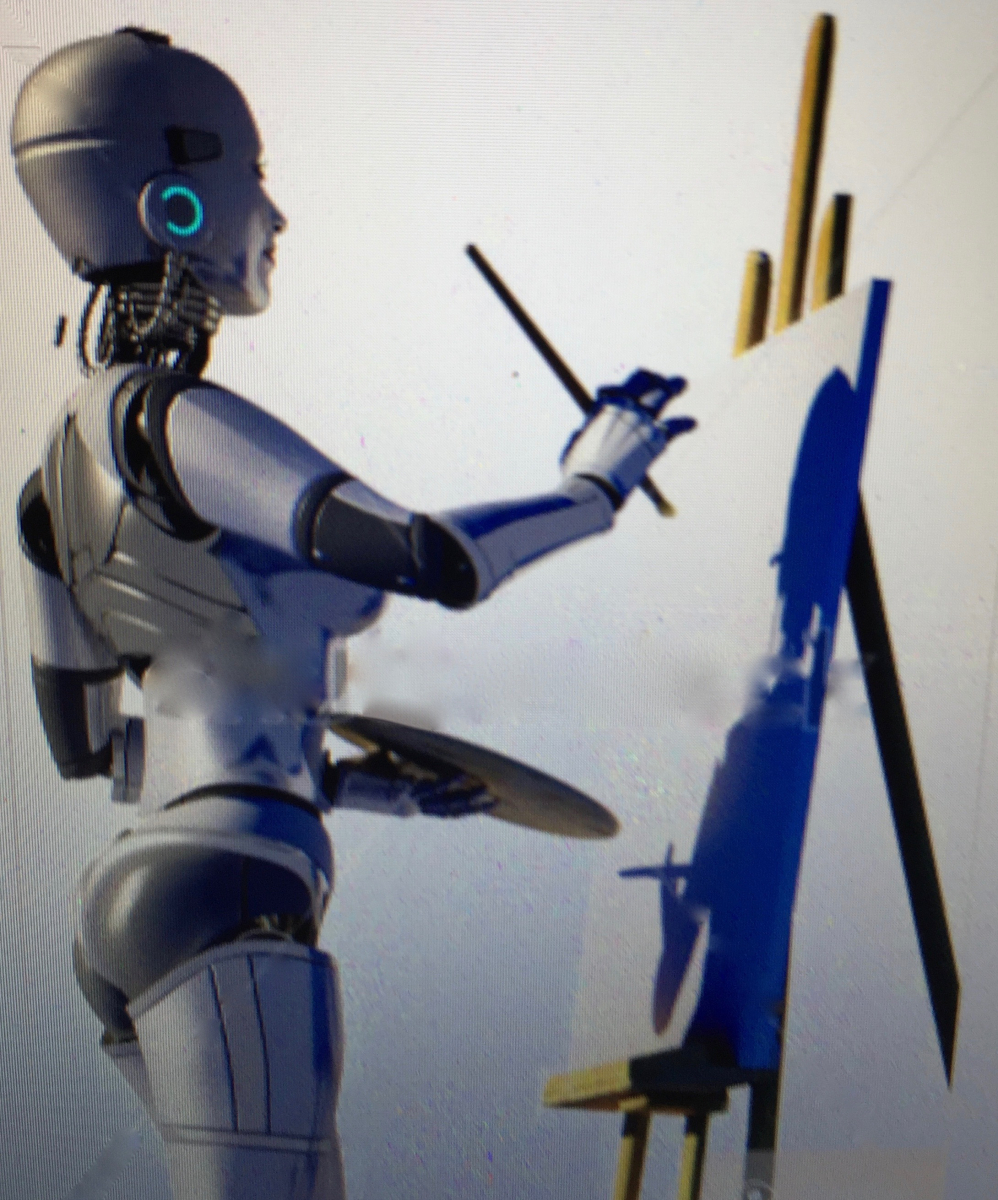 The Japanese have been testing caregiver robots. Programmed to say kind things they provide comfort to the elderly & the autistic.
 Scientist Prakash Presad writes, "many a time we are unable to tell if the human to whom we are speaking really cares about what we are saying." He wonders if a robot could be a better listener.
We can argue our uniqueness. Still, the "electric body" might, within this century, so threaten our humanity that we may ask: Where is our soul?
-Erie Chapman
Photographs 1 & 2 by Erie.
Photograph 3, Shutterfly


 Journal of Sacred Work
Leave a comment