
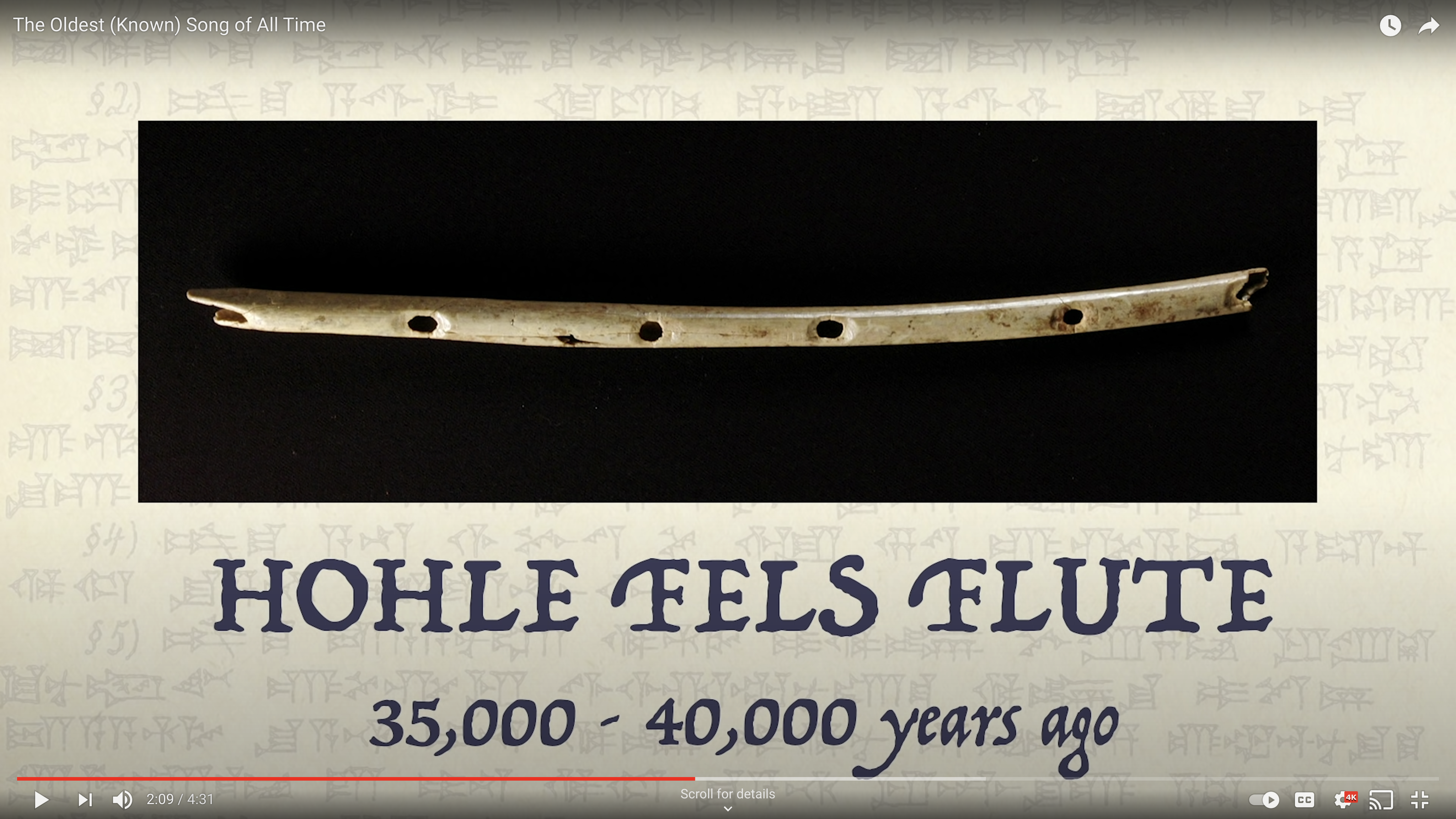
 Your first thought might be, "Who cares about the oldest song?" A professor named Richard Dumbrill did. He joined others in recreating music from 3400 year-old scraps to give us a sense of how it sounded. (YouTube link below)
The first lyrics are predictable – a psalm to God, love & parenthood.
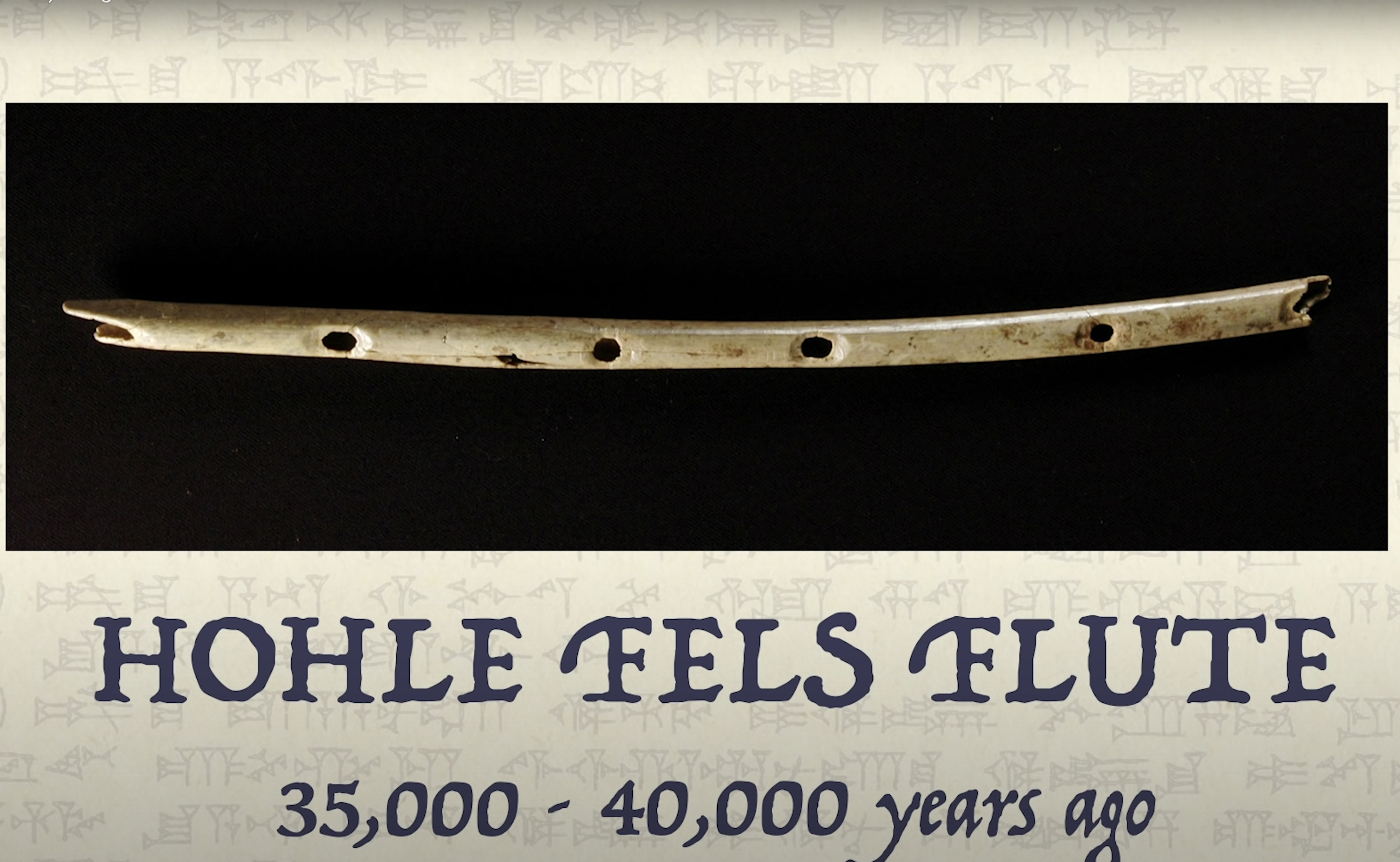
What is more compelling is that music is so inherent to our humanity that one of the first instruments (pictured) is more than 35,000 years old!
Music is created for our hearts. Music & rhythm are the pulse of life &, like other arts, are a language more universal than words.
Every setting has its songs – ocean waves, forest winds & the human-made settings where we play music to relax, inspire or to make love. We know the songs American slaves sang to ease the pain of their labor, that soldiers hum marching to war, that crooners sing to nurture intimacy & that believers sing to praise God.
What is caregiving's music? The sound change between the courtrooms where I practiced law and the hospitals where I began working in 1975 was jarring. Courtrooms are controlled & quiet. Hospitals are controlled & noisy. 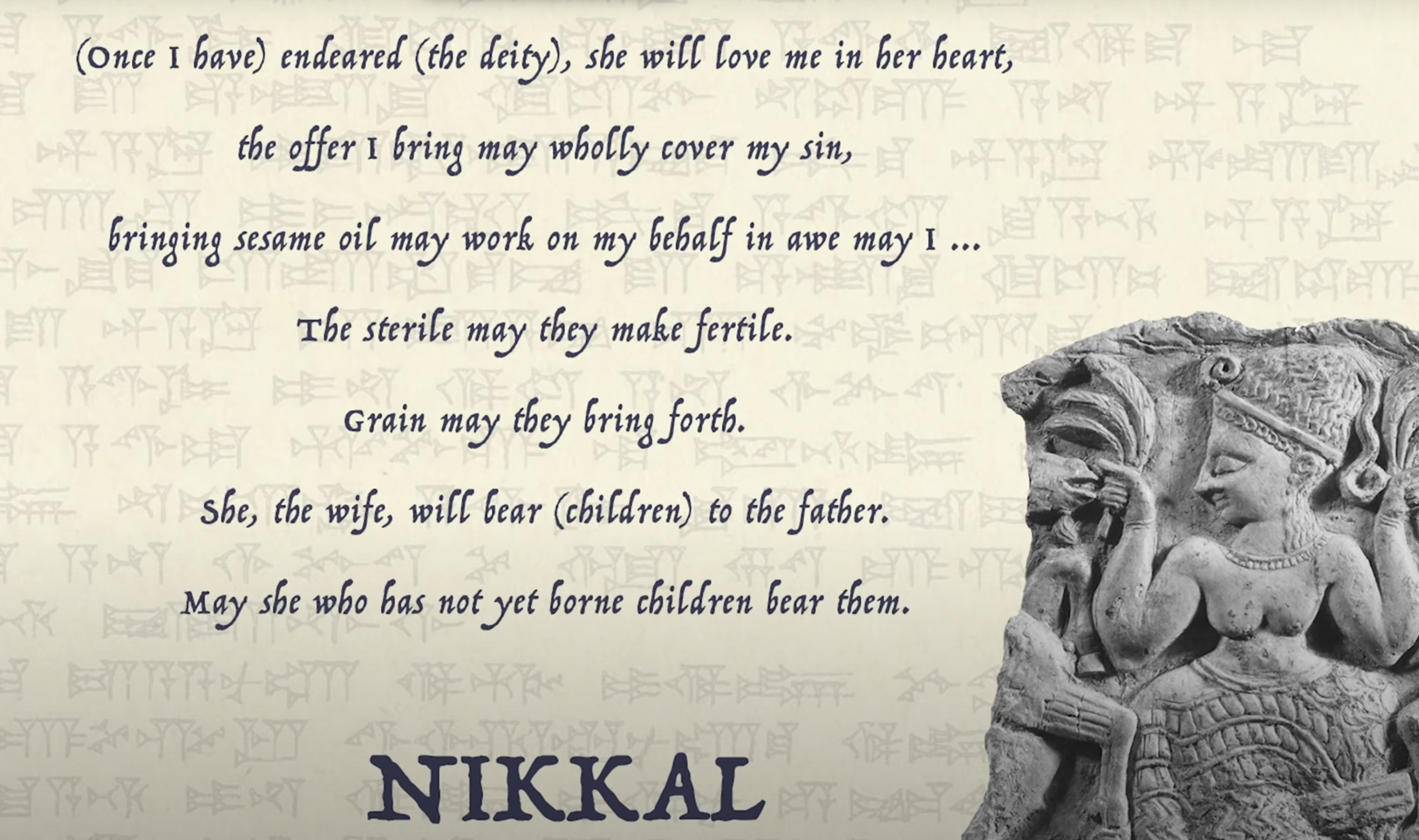
Beeping monitors, whirring machines, overhead pages & loud chatter at the nurses' station can be a nightmare for people whose sickness has made them prisoners in a cacophonous jail.
The machinery of medical treatment is necessary & so loud. That is the story caregivers tell in these times: "Her father died of COVID. He lay alone with a tube down his throat, a ventilator cranking & heart monitor that suddenly went flat."
This is one reason patients & family universally love hospice care. The quiet.
Music is a beautiful alternative to noise. Silence is another – especially when disease overwhelms us. The quieter we can make hospital environments the more healing those settings will become.
-Erie Chapman
YouTube Link to ancient song:


 Journal of Sacred Work
Leave a comment