
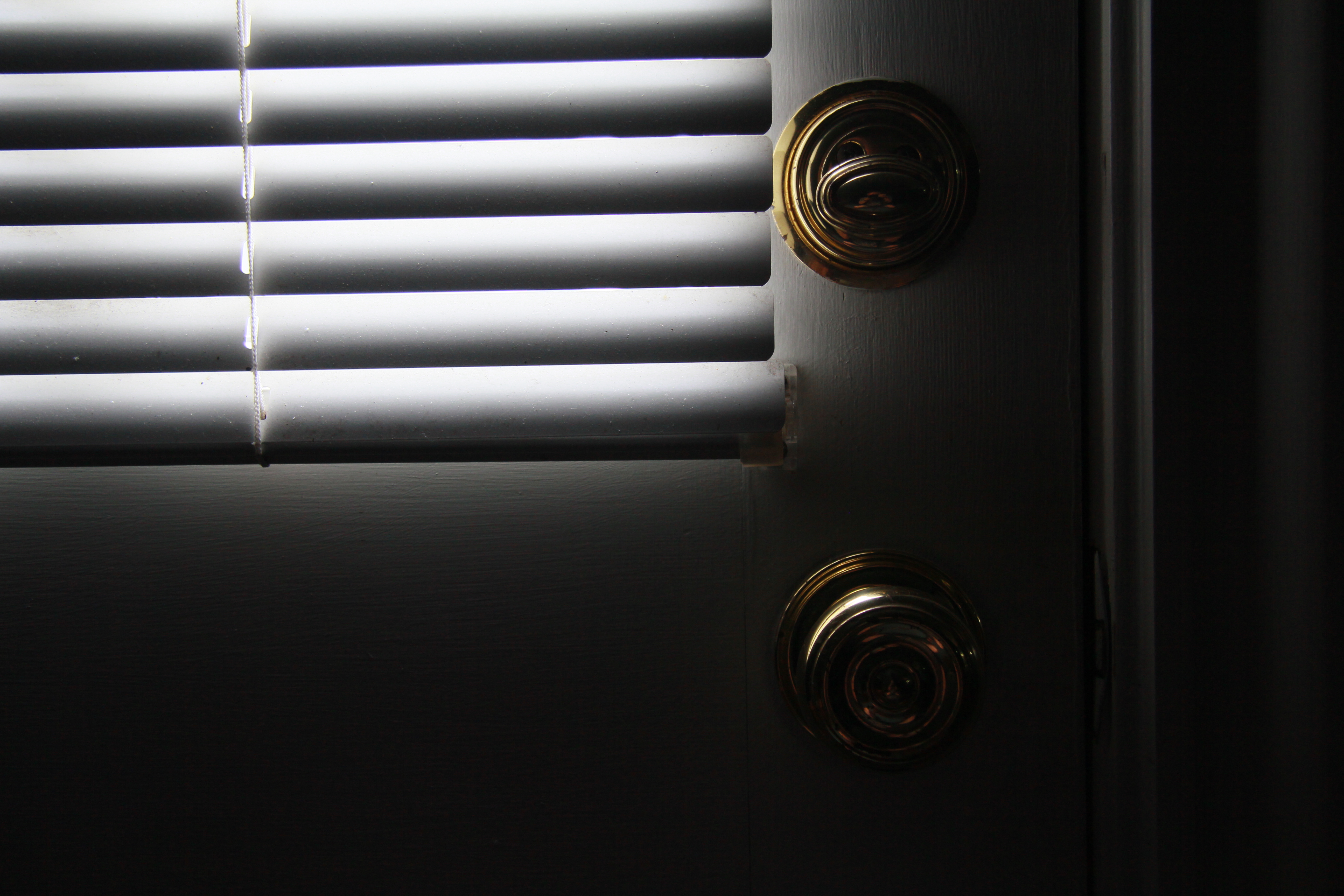
 Until recently millions of gay people hid their truth. "Coming out of the closet" required great courage. All those centuries of societal discrimination silenced millions. Fortunately, bias has eased.
Some still hold a smug attitude about the hidden lives of others – as if they had no secret closets of their own. Don't we all hide things?
Caregivers know vast amounts of private information about patients. Some of it might seem "damning." Yet, caregiving turns on trust.
As a lawyer & ordained minister I have heard criminals confess to murder, clients admit child abuse & others acknowledge addiction. Each carried the protection of confidentiality.
Confession may be good for the soul. But is publicizing our secrets always helpful? Does our desire to "confess" improve the lives of others in every case?
In 2009 I suffered a bout of depression and shared my pain with colleagues. I was startled by the disdain & fear that I faced. It does not matter now but should I have stayed silent then?
On the other hand, when a school teacher learned that I had lived with Crohn's disease for fifty years she shared that her ten-year old daughter had it too. "She might wish confidentiality," I advised, "many will label her."
I never wanted to be "the guy with Crohn's," but this young lady felt otherwise. At her tender age, she had become a spokesperson for facing Crohn's publicly.
Either choice is legitimate.
Some keep secrets closeted fearing the brutality of society's sanctions. But, millions of others see silence as wisdom. They stay quiet because they know that revelation wreaks havoc on the innocent as well as on themselves.
People once asked me how I could defend a "guilty" client. Could you give your best care to a child abuser?
It can take as much courage to keep secrets as it can to tell them. Radical Loving Care teaches tolerance either way. It is a hard & crucial lesson.
-Reverend Erie Chapman


 Journal of Sacred Work
Leave a comment