
Note: This is a continuation of a story about Lual Mayen that was published on the JSW on May 15th
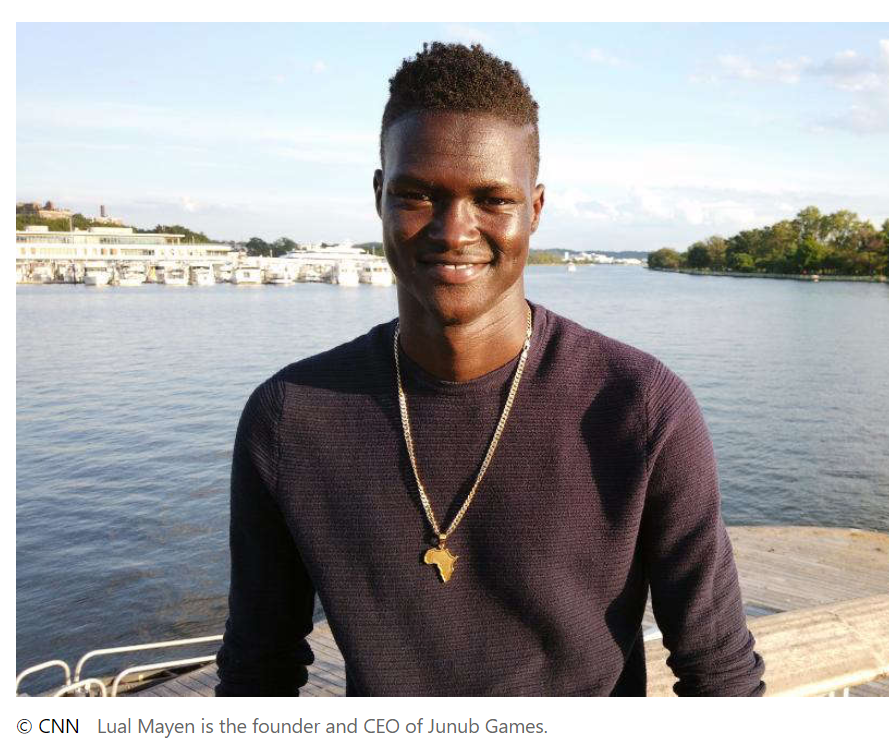 On one of Lual’s daily trips to the Internet Café, a friend introduced him to video games. Typical of video games, it’s plot consisted of violence with players having to run for their lives to avoid being killed. Lual understood all too well the parallels between this game and his terrifying lived experience. He was concerned that if kids in the camps started playing the game it would only reinforce the cold realities of their lives.
This started him thinking about the powerful influence of video games and the implications. When players immerse themselves in a video game, in essence, they experience what is like to be in someone else’s shoes. This understanding was the catalyst for Lual’s inspiration to create a game that could open the door to new possibilities. Lual thought deeply about creating a game for peace and conflict resolution. “Peace is something that is built over time. It’s not about people coming together and signing cease-fires and so on. It’s a generation of change. It’s a change of mindset. It’s a change of attitude toward each other" Lual explained.
Passionate about helping his people, Lual was soon hard at work and in 2016 created his first mobile version his game, "Salaam", which means peace in Arabic. In that version players targeted falling bombs that if intercepted would dissolve in a cloud of peace before reaching villagers.
When Lual posted his video game link on Facebook it quickly spread and became known to the international gaming community. He was invited to speak about the game and Lual began connecting with industry professionals. Eventually this led Lual to new opportunities in the United States where he connected with a company called, We Work Labs. He joined their incubator program that had provided him with a business mentorship and resources to grow his new company, Junub Games.
In a Washington Post article, Alex Andrevjev shared, “In the game’s newest version, players adopt the role of a refugee who must flee falling bombs, find water and gain energy points to ensure the character’s survival as the player’s country journeys from a war-torn present into a peaceful existence. If the player’s character runs out of energy, the player is prompted to purchase more food, water, and medicine for their character with real-world money. The funds go beyond the game to benefit a living refugee through Junub’s partnerships with various non-governmental organizations (NGOs).”
Chris Boian with the office of the UN's High Commissioner for Refugees says, "What Lual's game does is it provides people engaging in that game an opportunity to contribute actual relief and assistance to refugees."
Lual’s game is scheduled to be released in early December and is being supported through various sponsorships and partnerships, including one with NBA player Luol Deng of the Minnesota Timberwolves. When Deng, who is from South Sudan, discovered Junub Games online he reached out to Lual as he was so inspired by his mission to promote peace in his home country.
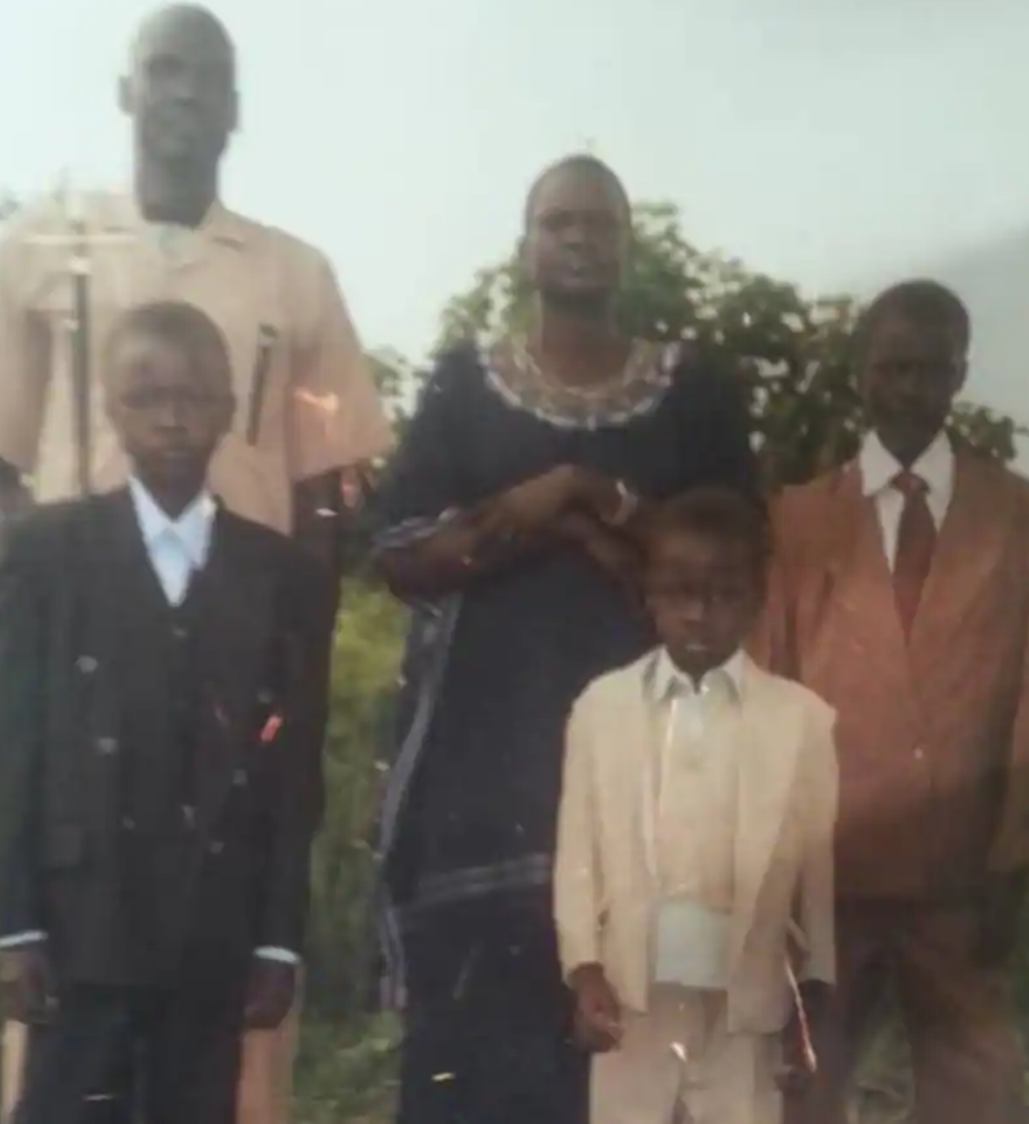 On a happy note, Lual’s family has recently immigrated to Canada after 12 years of filing requests and was granted a permanent resettlement status this year. Lual’s family is overflowing with gratitude to Canada as their lives would have continued to be very difficult in the refugee camp. Luals’ brothers, Dng, age 19 and Manyok, age 17, recently started school and plan to study computer engineering. Lual’s mom is very pleased as she strongly believes education is the key to a better future.
What is so compelling to me in the recounting of this story of immense hardship and suffering is the resilience of the human spirit and the transforming power of Love. Lual’s dream of a better life, not only for himself and his family but for refugees bares witness to an unstoppable force; a Love that is expanding out in unforeseen, miraculous ways.
Lual who has a sense of responsibility to help other refugees offers a vision of hope that is simple, yet profound, "You don't have to be a charity to change the world. You can be an individual who is actually playing a video game, and you're helping somebody in a refugee camp. I want other refugees to understand that we're not here just to survive. We are also here to thrive."
Liz Sorensen Wessel


 Journal of Sacred Work
Leave a comment