
A Shakespearean tone attends the tragedies that have unfolded before my dear friend, Sue.
Two days before Christmas, 2020, her husband of 56 years died. Barely five months later, she went to check on her fifty-four-year old son & found him dead on the floor of his apartment.
Long ago Shakespeare warned of such sequential tragedies in Hamlet:
"When sorrows come, they come not single spies
But in battalions. First, her father slain.
Next, your son gone,…"
A single tragedy strikes. Its enormity leaves us thinking we are immune from a second one. It can be like that in hospitals also.
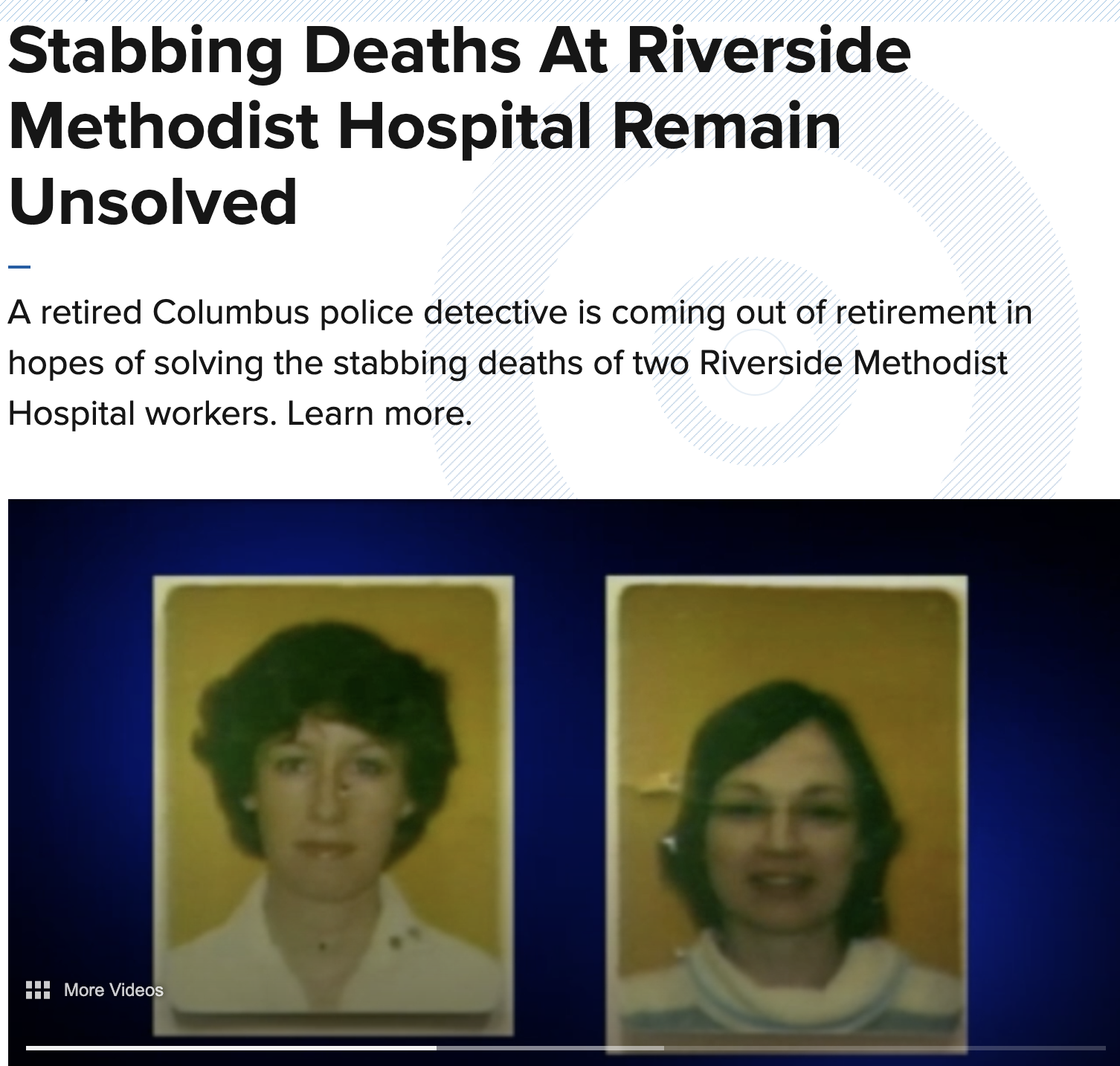 Just before 5 pm, December 30, 1983 Riverside Methodist Hospital caregiver Pat Matix was stabbed to death in the research lab fifty feet from my office. I was the second person on the scene.
Only twenty minutes after we had begun to shift to emergency operation status a senior executive I had left in charge of the murder scene called. "Erie," he said, "brace yourself."
What could be worse than the murder scene I had just left?
"The police just found a second body," he reported. It was Pat's co-worker, Joyce McFadden.
Obviously, hospitals deal with a range of disasters including fires, floods & murder victims. In 1983 there was no plan to deal with a murder that happened inside the hospital.
Six months later another nightmare call. "Erie, a prisoner-patient in the basement clinic got hold of a gun & has hostages."
Impossible? Tragedy has no quota. Those who think otherwise are often unprepared & may even feel cursed when multiple disasters strike.
We are stronger than we think. We are more vulnerable than we imagine. That is why citizens of stricken towns say, "I never thought this could happen here!"
-Erie Chapman
*The Riverside Incidents are described in more detail in my book Radical Loving Care.


 Journal of Sacred Work
Leave a reply to erie chapman Cancel reply