
 "It is a wicked thing to take away a [person's] hope." – Winston Churchill
In this moment "Nia" is starving through her last moments on a back alley in Calcutta. She has lost the strength to raise her bony hand to beg to the indifferent dozens wandering by.
One of God's children, she has been dismissed by others who share the legacy of breathing earth's air.
No one will ask Nia about the meaning of her life. No one will ask her anything. She has entered the liminal state, commonly described as floating between life & death.
Nia's suffering is a crime. When she floats into death will she have an answer to life's key question: Why?
Gladly, eight decades ago another being dying of starvation survived to give his answer through a branch of psychology he named logo-therapy. As psychiatrist Dr. Victor Frankl* languished in a Nazi concentration camp he noticed something crucial.
Exercising a key element of genius, curiosity, he wondered why some inmates in equal states of starvation survived & others perished.
He got his answer. Prisoners died within 24 hours of saying three words: "I give up."
Deprived of meaning-food, the frail faded away. Frankl himself, along with other survivors, shared a common fuel that powered them through the worst nightmare we can imagine: A life purpose.
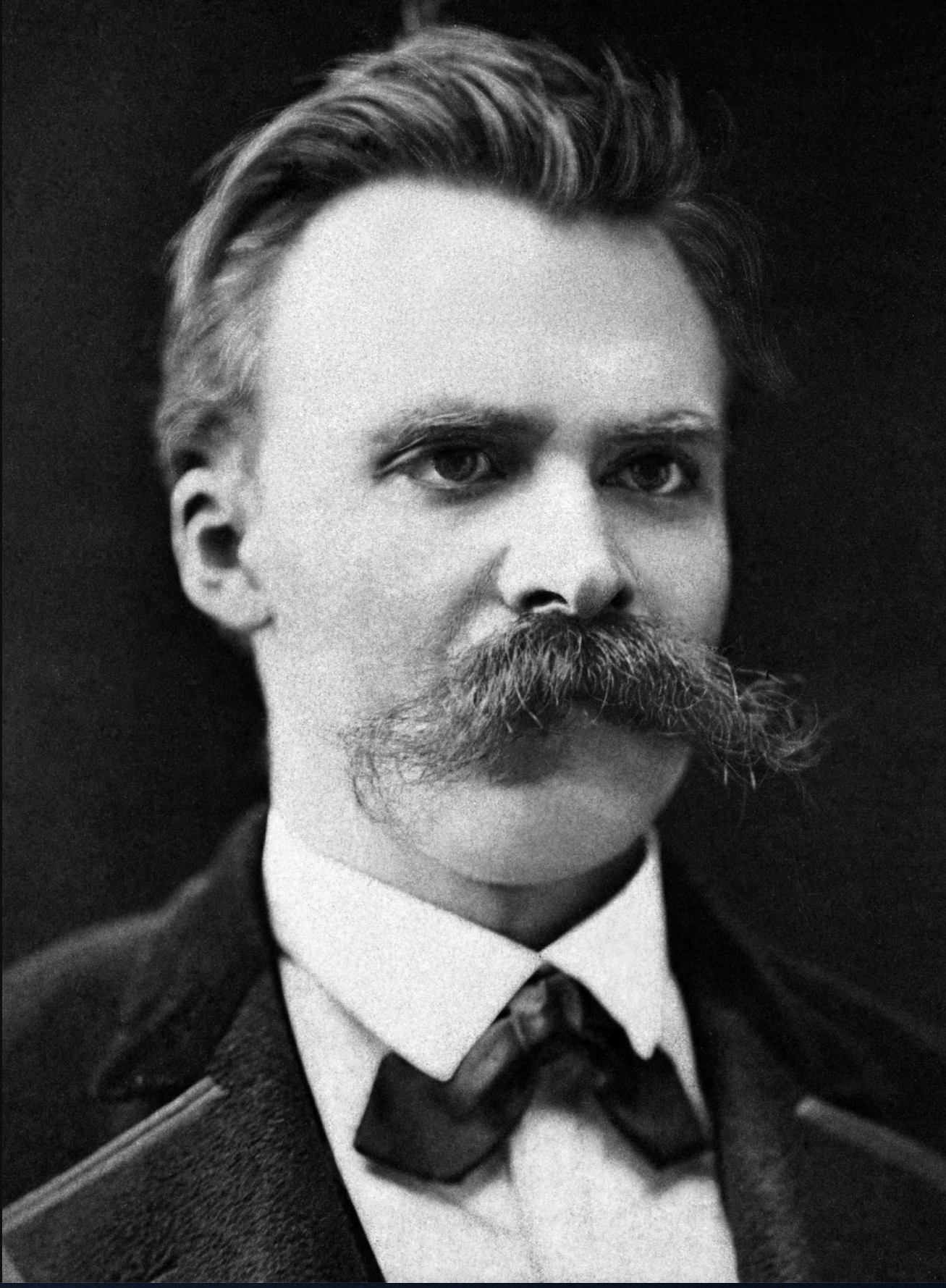
*Frankl's passion was to share his discovery so that we would understand what Nietzsche (pictured, 1844-1900) had written: "He [sic] who has a why can bear almost any how."
There has never been a depressed person (including me at times) who told their psychiatrist, "I am filled with hope because my life matters."
Depression can be deadly. Beyond suicide, another risk lurks for the meaning-deprived: "Dying in place" occupying a body whose spirit has been crushed.
Caregivers have a clear answer to the "meaning" question. Helping others. But that does not protect some from meaning-sucking burnout.
That is a core reason for this Journal – to give you meaning-food. To offer you the nourishment of understanding, listening & affirming.
You are a caregiver. Bless you. Thank you. God loves you. I love you, too.
-Erie Chapman
More on Frankl in The Seven Habits of Radical Loving Leaders, via Amazon or http://www.eriechapmanfoundation.net. 


 Journal of Sacred Work
Leave a reply to Liz Wessel Cancel reply