
[Note: The following essay is excepted from my forthcoming book, Inside Radical Loving Care]
“In the telling of
their stories, strangers befriend not only their host but also their own past.”
– Henry Nouwen
“His mother didn’t want him,” the
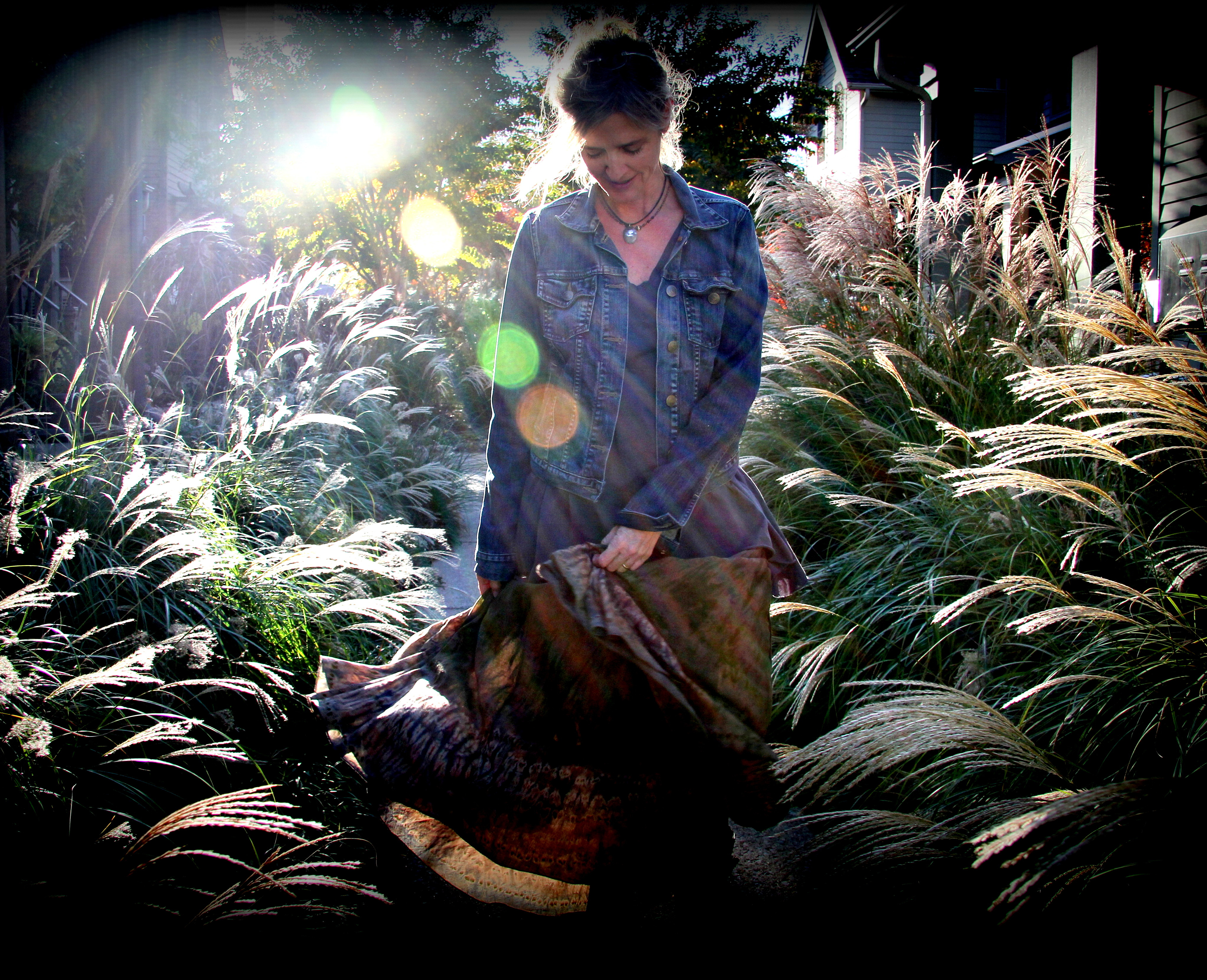
internationally renown spoken word artist Minton Sparks told me as I photographed her for an album cover (left.) She was
describing the early twentieth century story of a great aunt and her unborn baby.
“The mother bound her body as tight
as she could. Maybe, she thought the binding would suffocate the baby.”
Minton’s
story brought two departed souls to life. I saw one struggling to enter the
world, the other trying desperately to slam the door on him.
In spite of
the mother’s efforts, the baby was born – his body so twisted that he was
crippled for life.
But, his spirit flew arrow-straight.
“He raised
himself up from poverty to become a doctor,” Minton told me. “Then he became Dean of The Arkansas University College of
Medicine.
A baby
whose entry was dreaded grew to become a healing caregiver.
What does it mean to
tell a story the way Minton does? Stories told well hold a different power than those told in ordinary ways.
If we say,
“This is about a crippled baby who became a doctor,” we have told the
facts, but we have not created what only great storytelling can – empathy and
compassion.
These are
the traits we need in healing hospitals. That is why I have asked Ms. Sparks to
spread her work to the caregiving world. It is not only important that we tell
our stories of caregiving but the way
we tell them.
Our
truest principles are born from our stories. All the rules in the world are
not as effective in culture change as are the stories we report.
Stories are like jokes. They give
us a chance to “get it” on our own rather than having someone tell us.
If you want to move a caregiving
culture from fear to Love, tell stories. Tell them every day in large meetings
and small; in boardrooms and in nurse’s stations; from the podium and by the
patient’s bed.
Let stories ring out from the hearts
of caregivers and patient’s alike. For it is through stories that we touch
Love’s truth and expiate our fear.
II.
Stories, told with rich detail and raw honesty hold the power to change our
lives. They signal our values. Those told in organizations
do the same.
If our only stories speak of budgets, charts and technology then how can compassion thrive?
On the other hand, consider the impact on a story or a poem when seen in the context of one of Liz Wessel's brilliant paintings.
When we figure out what a story means to us, we own it. When we own it, we are likely to live the truth of the
story.
Stories
help us live Love, not fear. They report what we value and thus signal the care we want for our mothers.
-Erie Chapman
Photo of Minton Sparks copyright erie chapman 2013


Leave a Reply