
The art and agony of caregiving is beautiful and burdensome. We often choose professionals to take over. What about the caregiving done by parents for sick children or by friends looking after each other in hard times?
Liz Wessel describes this tension powerfully in her weekend journal story of a husband caring for his dying wife when he is also ill. The "joy?" This husband is living Love's highest expression.
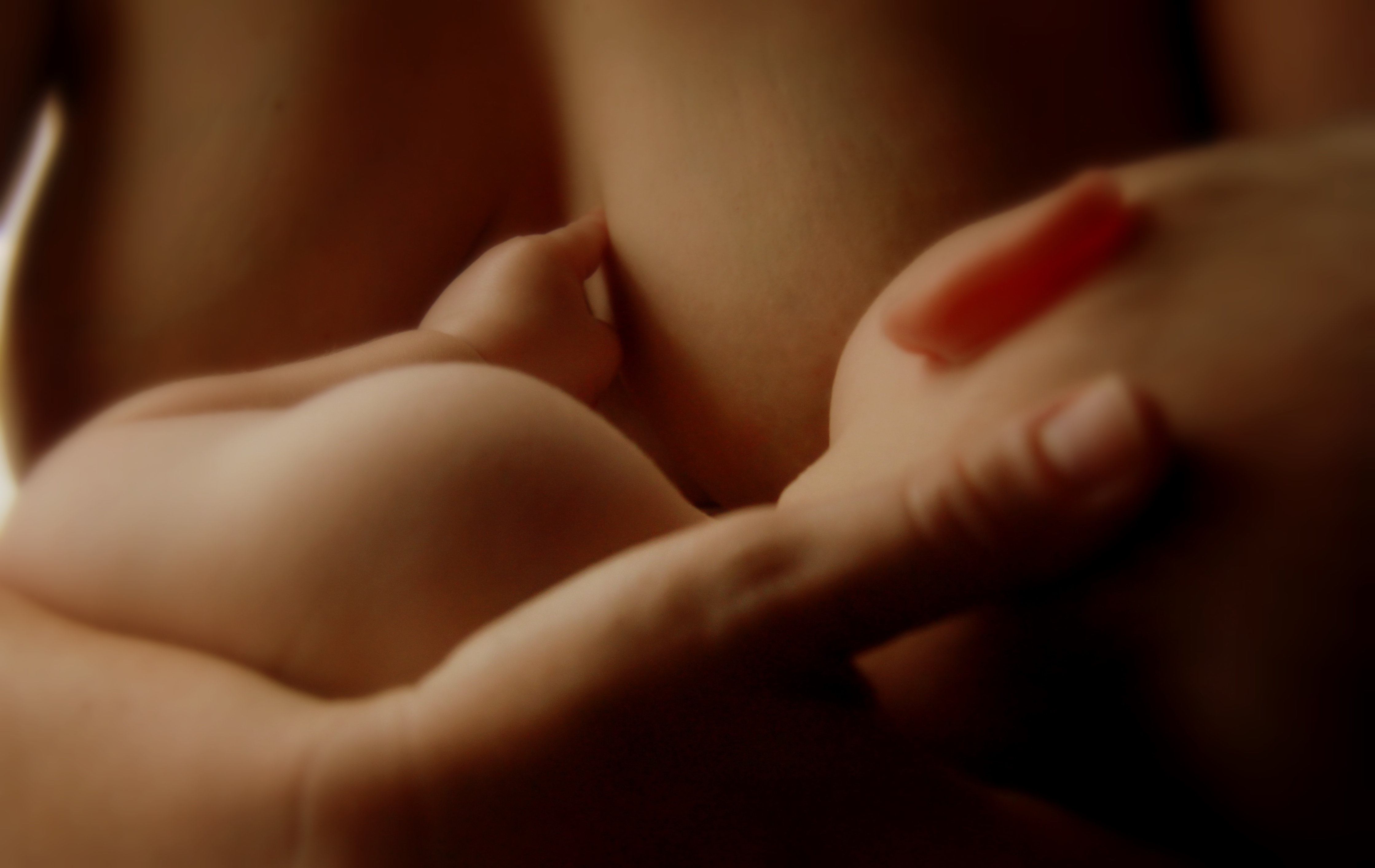 From birth, good mother's teach us that caregiving can be so exhilarating that it can unite responsibility with joy. There may be nothing more compassion-filled than a mother's care. Can all caregivers marry joy with need in their work?
Robert Frost invites us to this wedding in the coda to one of my favorite poems, "Two Tramps in Mud Time."
My object in living is to unite
My avocation and my vocation
As my two eyes make one in sight.
Only where love and need are one,
And the work is play for mortal stakes,
Is the deed ever really done
For Heaven and the future's sakes.
How can caregiving be "joyful" when, in spite of your best efforts, your patient worsens? How can you possibly celebrate if you are looking after a once-healthy child now crippled, a parent dying of cancer, a spouse stricken with dementia?
It is in caregiving, perhaps more than anything else, that "the work is play for mortal stakes." That is when "love and need are one." Only when we are committed to being present to another – in both their happiness and their tragedy, "Is the deed ever really done/For Heaven and the future's sake." Can there be any higher calling?
Love is the greatest power. Caregiving is its finest expression.
-Erie Chapman


 Journal of Sacred Work
Leave a reply to ~liz Wessel Cancel reply