
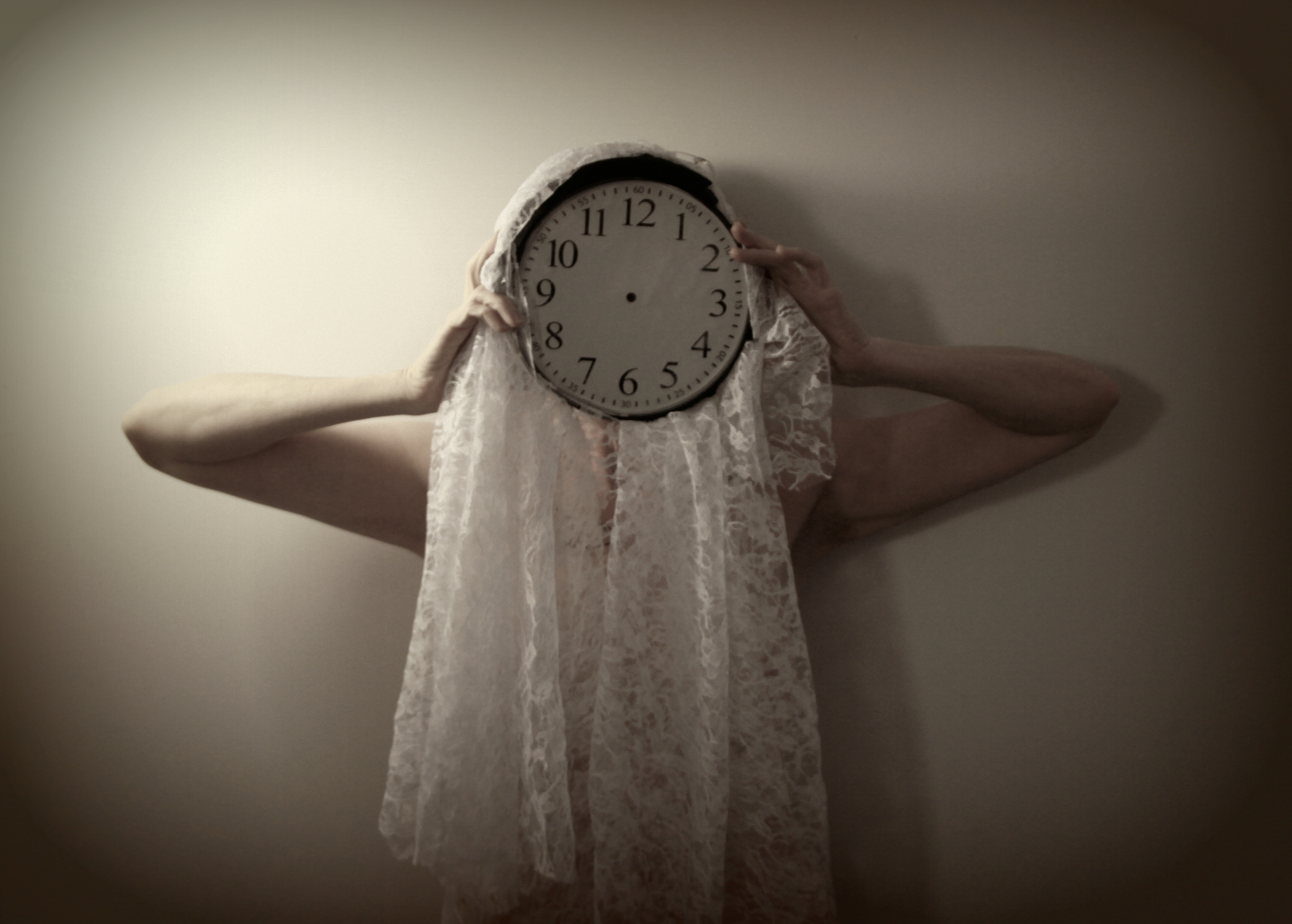
 The only thing that lasts a long time is suffering. All other time – occasions of comfort or joy – moves faster.
If you are lying bed fast in the hospital and need the bathroom a five-minute wait for a nurse feels like an hour. The drilling pain of a kidney stone can convert a twenty-minute postponement of Demerol into half a lifetime. At a deeper level the horror of long starvation makes life itself an interminable hell.
In a way that offers more eloquence than I can muster famed New York Times columnist David Brooks writes that, “…the big thing that suffering does is it takes you outside of precisely that logic that the happiness mentality encourages. Happiness wants you to think about maximizing your benefits. Difficulty and suffering sends you on a different course.”
What is that “different course?” Our selective amnesia can cause us to forget how much the ill need relief from suffering now! Pain free at your desk it may be hard to connect with the pain-flooded woman in the room two floors up and how she is counting on you to make sure she receives great care all the time. Our desire for pleasure causes us to discard thoughts of pain, and the experience of it, as quickly and effectively as possible.
Years ago, on my “Life Choices” television show, a young woman shared that she was grateful for her experience overcoming cancer. She said she would rather have had the disease than not. Cancer taught her things. It ennobled her. I have had a similar experience across my half century with Crohn’s disease. Lying on the floor cramped up with agonizing spasms I found myself slipping outside routine thinking and into a place where I not only understood suffering better but was changed by it.
The presence of chronic illness means I am never far from my own pain and thus can connect with others who are in the midst of it. It is unlikely that I could have understood the importance of my role in healthcare leadership had I not been hounded by the loneliness & terror that illness inflicts.
Brooks writes that, “…suffering drags you deeper into yourself.” He references the theologian Paul Tillich who wrote that, “people who endure suffering are taken beneath the routines of life and find they are not who they believed themselves to be.”
Beauty does this as well. Suffering & Beauty take us both beneath and above "the routines of life." There we see clearly that love matters more than time.
-Erie Chapman
Photograph: "Anonymous Time #2" – by Erie


 Journal of Sacred Work
Leave a reply to Maureen McDermott Cancel reply