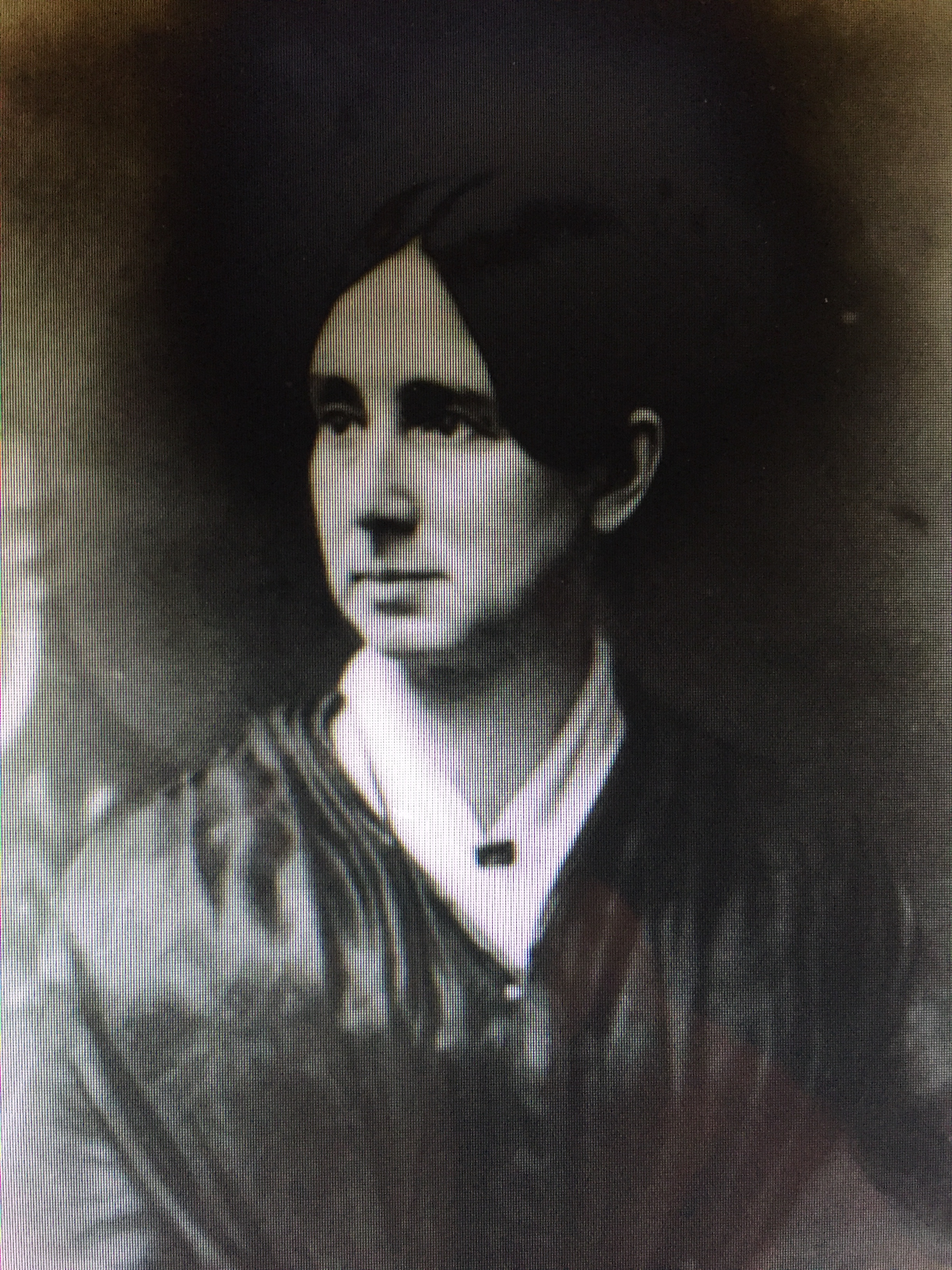
Dix  On a summer morning in 1864 dawn's eye watched battalions of  Union soldiers outside Cold Harbor, Virginia doing something curious. They were calmly writing their names on pieces of paper & sewing them into their coats to ensure that family could be notified in case a Confederate Mini-ball found its mark.    

   After the shooting stopped a blood-stained diary was found on the body of one fallen warrior. "June 3, 1864 Cold Harbor," the journal read. "I was killed."

   Imagine that moribund soldier as he used his last life vibrations to scrawl that final entry.

   Deaths were higher in the Civil War than in any other conflict in U.S. history. But many more soldiers died of disease than bullets. If it were not for one woman, many more would have never seen home again.

   Dorothea Dix, Superintendent of Nurses for the Union Army, is forgotten or unknown by most. Her compassion & competence enabled much healing in primitive Civil War hospitals. Her Radical Loving Leadership shined clear in her commitment to care for Confederate soldiers as well as the Union men she had been hired to serve.

   It is so difficult to imagine the horrors of medical care in a time when legs were sawed off like cordwood by surgeons so beleaguered that they would no sooner finish an amputation than they would wipe off their tools on their aprons, turn to a line of waiting wounded & shout, "Next."  

   Amid the carnage, Dorothea Dix stood resolute. Compassionate care came naturally to a woman already known for her courageous championing of humane treatment for prisoners & the mentally ill.

   Dorothea Dix was a true champion of loving care. Life was not wasted on her.

-Erie Chapman 

9 responses to “Days 39-43 “I was killed…””

  1. Terry Avatar
    Terry

    Although I am a very non-violent person by nature, I am often drawn to survival stories including war settings because of the marvelous bravery displayed by so many Americans in the Civil War and other wars as well. I can only imagine the challenge of serving your country by treating wounded and dying persons–trying to find the right word or bit of encouragement through the long and endless nights of suffering. But there have always been those few who feel and answer the call to service whether on the fields of battle or rather simply opening the door for the older person who would find that task difficult!

    Like

  2. erie Avatar
    erie

    Great insights, Terry. As you know, our great, great uncle Degrass lay on the battlefield of Antietam for 3 days only offered water by a Rebel and our great-grandfather was wounded at Armstrong Hill. Wonder what would have happened to us in those days?
    Thanks for your appreciation of caregiving work in wartime.

    Like

  3. suanbenggeh Avatar
    suanbenggeh

    Erie: Thank you for reminding us which woman was a true champion of loving care. Being humane for the helpless in times of war was so important. The task of sawing off a limb must be difficult to assist as a nurse helping out. I had experienced being a helper in OR during my training years. The surgeon had amputated one of the legs at the knee level and I had to be ready to receive it with a towel on the other end. The patient had anesthesia then, What an experience to go through. If I had a choice to face what was coming I would have declined to be there, duty calls! The other woman who had such a calling was Florence Nightingale. It was a calling for both both brave women

    Like

  4. Erie Chapman Foundation Avatar

    Wonderful comment, Suan. YOU are such an amazing example of loving care. I have been present in the operating room in several surgeries but have never had to deal with the challenge of receiving an amputated leg. Yes, Florence was also a hero (mentioned her prominently in my latest book – Seven Powers.) Thank you, Suan.

    Like

  5. ~liz Wessel Avatar

    Thank you for highlighting the life of Dorothy Dix and for the powerful images you paint with such a thoughtful rendering, Erie. You take us into the lives of some incredible leaders. Honestly, I can’t imagine the courage it would take to bear witness to such suffering and to assist in surgeries during the Civil War considering they did not have anesthesia or access to pain medications as we do today. How terrifying to have a limb sawed off with only a swig of alcohol to quell the pain.
    Erie, your book is a marvelous compilation of incredible leaders who left an indelible mark on humanity. I loved reading about their early beginnings, challenges and the inspiration you instill through your artistic story telling, What a gift!

    Like

  6. Anne Milligan Avatar
    Anne Milligan

    Thank you Erie, and thank you Dorothea Dix.

    Like

  7. erie Avatar
    erie

    And thank YOU, Anne Milligan.

    Like

  8. erie Avatar
    erie

    Thank you for your ringing affirmation, Liz. Dorothea is a fascinating role model – tougher and harsher acting than I would ordinarily prefer yet still driven by the light of her tender heart. You are such a fine example of tough-minded/tender-hearted leadership. We are all grateful for that and for your beautiful contributions to the Journal and the world.

    Like

  9. Jolyon Avatar
    Jolyon

    It is hard to imagine what humans can do to each other, what Mother Nature has seen and felt amongst the valleys of flowers during wartime. To visit battlefields from the American Civil War or European Wars and see that nature has come back to life from the terrible scars that humanity can inflict. But can we?
    Can you be there? Can you be at a place of natures beauty the day before a battle knowing your job was to pick up what was left of precious life? Be at a place that now has a river that was dry before the bullets flew. Special people have the courage and compassion to walk in those valleys. To walk in those valleys ones heart must be filled with the Love of the Spirit, to care for all that cry out.
    I am glad that there has been a renewed interest in the compassionate care given by nurses by the television industry. Examples like Call the Midwife and Mercy Street help bring attention to nursing, but the Sacred Care can only be touched in person.

    Like

Leave a reply to Erie Chapman Foundation Cancel reply